Pediatric Dentist vs. General Dentist: How to Choose a Qualified Children’s Dental Office Near You

🕒 2026-04-03

Pediatric dental care requires specialized credentials and behavior guidance techniques. This article first compares pediatric dentists with general dentists, then provides a step‑by‑step method for finding and evaluating a local children’s dental practice. Includes comparison tables, evaluation checklists, cost references, and first‑visit preparation — all designed to help American families make informed decisions with confidence.

Part 1: Why Choose a Pediatric Dentist? (Comparison with General Dentist)
Comparison AreaPediatric DentistGeneral Dentist
Post‑Dental School Training2‑3 years of pediatric residencyNo mandatory pediatric training
Behavior GuidanceTell‑show‑do, distraction, positive reinforcement, voice controlAdult‑oriented communication
EquipmentChild‑sized chairs, small instruments, pain‑free anesthesia (electronic delivery)Standard adult‑sized tools
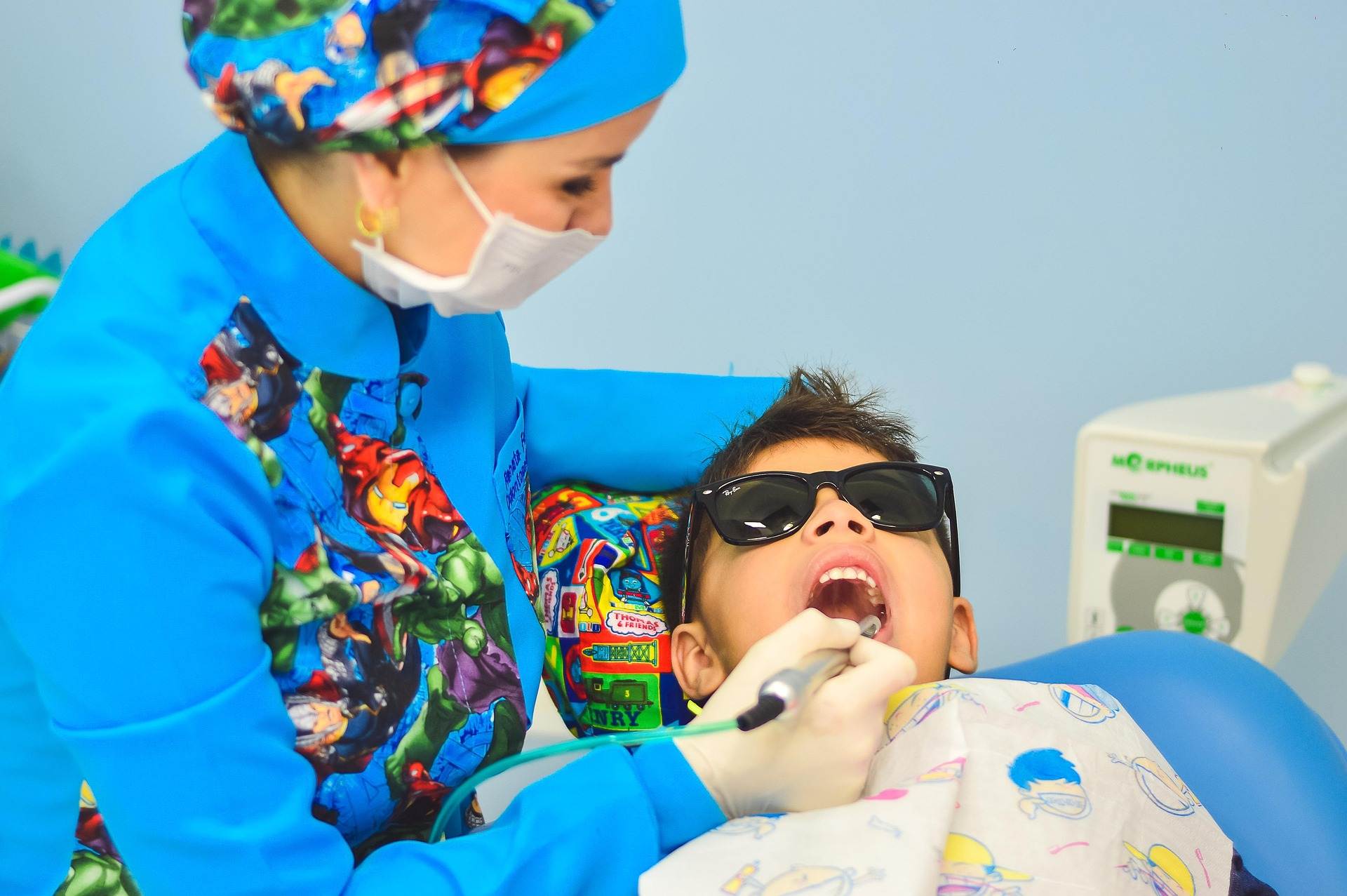
Office EnvironmentCartoon themes, play area, reward system, non‑threatening displaysNeutral or professional decor
Treatment ScopePrimary & young permanent teeth (pulpotomy, crowns, space maintainers)Primarily permanent teeth
Special Needs CareTrained in sedation/GA; manages ADHD, autism, etc.Usually refers out
Preventive GuidanceFocuses on caries risk assessment, feeding habits, fluoride useFocuses on adult oral hygiene

Conclusion: Pediatric dentists are better suited for children under 12 and those with special needs due to advanced training, behavior management, and child‑friendly facilities.

Part 2: How to Select a Local Pediatric Dentist

1. Practical Search Methods

  • Online keywords: “pediatric dentist near me” or “children’s dentist + city/zip code”
  • Insurance portal: Log into the insurance website (Delta Dental, Cigna, Guardian) and filter for in‑network pediatric dentists.
  • Local referrals:Child’s pediatrician or family doctorSchool health center or school nurseLocal parent Facebook groups or Nextdoor
  • Professional directory: American Academy of Pediatric Dentistry (AAPD) “Find a Pediatric Dentist” tool.

2. Office Evaluation Checklist

Evaluation ItemWhat to Verify
Board CertificationActive ABPD certification or board‑eligible status
Age AcceptedAccepts infants under 1 year; accepts children with special health care needs
Emergency AccessSame‑day/next‑day emergency slots; after‑hours and weekend contact availability
Office EnvironmentToys, books, cleaning protocols in waiting area; bright, child‑friendly treatment rooms
Sedation / AnesthesiaOffers nitrous oxide, oral sedation, or general anesthesia (and who administers it)
Insurance & PaymentAccepts Medicaid/CHIP; offers CareCredit or payment plans
Language SupportBilingual staff available (Spanish, Mandarin, Vietnamese, etc.)
Parent ReviewsRead Google Maps, Yelp, Healthgrades – focus on wait times and staff patience

3. Key Questions for Phone Screening

  1. Accepting new patients? How long is the wait for a first appointment?
  2. Are emergencies prioritized? How are after‑hours toothaches or injuries handled?
  3. What does the first visit include (comprehensive exam, cleaning, X‑rays, fluoride)?
  4. Are parents allowed to accompany the child in the treatment room?
  5. What behavior guidance methods are used for uncooperative children?

4. Cost & Payment Reference Table

Payment SourceTypical Coverage / Self‑Pay Estimate
Medicaid / CHIPFederally required coverage for basic pediatric preventive & restorative care (state variations exist)
Commercial Insurance (PPO/HMO)Typically 2 cleanings/year, bitewing X‑rays, fluoride; co‑pay for fillings and crowns
Self‑Pay (No Insurance)First exam + cleaning: $80–150; Composite filling: $150–300; Stainless steel crown: $300–600
In‑House Discount PlanSome offices offer annual plans (e.g., $99/year for 2 cleanings, exams, and X‑ray discounts)
Healthcare FinancingCareCredit, LendingClub, Wells Fargo Health Advantage (6/12 month interest‑free options)

5. First Visit Preparation Checklist

Preparation StepSpecific Actions
Schedule TimingBy age 1 or within 6 months of first tooth (AAPD guideline)
Documents to BringMedical history, medication list, insurance card, pediatrician’s contact
Emotional PreparationRead “Dentist Trip” picture books; role‑play “checking toys’ teeth”; avoid words like “pain, needle, drill”
Before AppointmentAvoid sticky foods 1 hour prior; maintain regular brushing
Parent Role in OfficeLet the dentist lead communication; avoid anxious expressions or repeated reassurance

Summary

Choosing a pediatric dentist over a general dentist provides specialized behavior guidance, child‑sized equipment, and safer sedation management. After deciding that a pediatric dentist is needed, families can efficiently find a qualified local practice through online searches, insurance networks, local referrals, and phone screening. Using the checklists and preparation guide in this article helps establish a long‑term “dental home.” Regular checkups every 6 months are strongly recommended.