The Complete Guide to Children’s Dental Discounts: How to Access Professional Pediatric Dental Care at a Much Lower Cost
A child’s oral health affects far more than just chewing and speaking — it is closely tied to the development of permanent teeth and overall physical well-being. This article breaks down the most effective ways to reduce the cost of pediatric dental care in the United States, including insurance benefits, government programs, dental discount plans, university clinics, and tax-advantaged accounts. At the same time, the scientific principles behind preventive treatments and their long-term financial benefits are explained, helping families protect their child’s smile while staying firmly within budget.
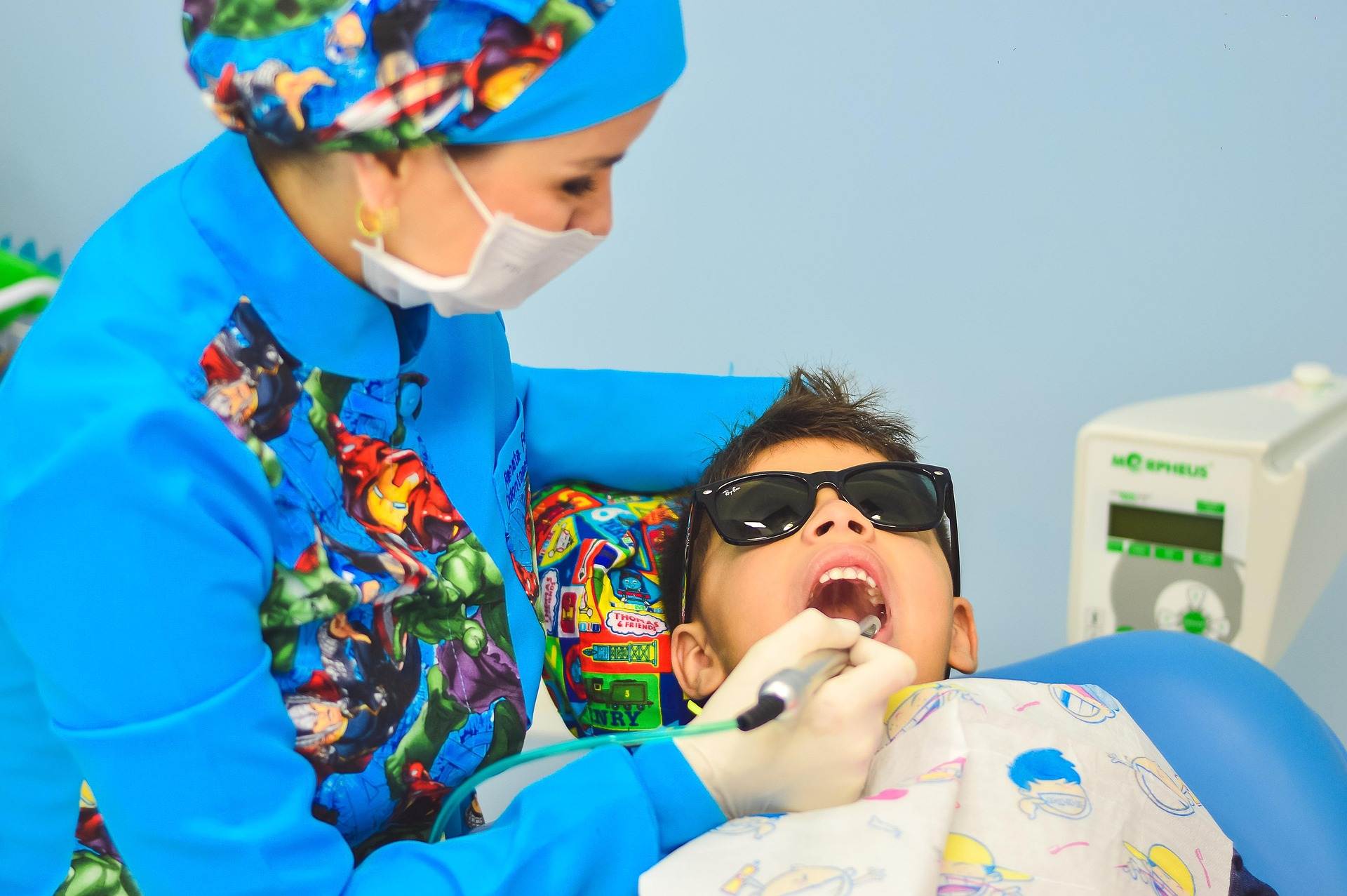
1. The Value of Early Dental Care and the Science Behind It The condition of baby teeth directly determines the eruption path and spacing of permanent teeth. If a primary tooth is lost prematurely due to decay, the neighboring teeth can tilt into the space, leading to impaction or crowding. Correcting this with orthodontics later can easily cost thousands of dollars. From an oral biofilm perspective, tooth decay is a dynamic process in which cariogenic bacteria in dental plaque metabolize sugars and produce acids that demineralize the enamel. Regular professional cleanings and examinations allow intervention at or even before this demineralization stage, reversing early damage through remineralization and avoiding cavities that require fillings. Establishing a “dental home” by age one helps the child become familiar with the clinical environment and allows the pediatric dentist to monitor tooth eruption and jaw development. The long-term return on this early investment far exceeds the cost of reactive treatment after problems have already progressed.
2. Fluoride and Sealants: How Low-Cost Prevention Works and What It Saves The core mechanism of fluoride in cavity prevention is promoting enamel remineralization and inhibiting the bacteria’s ability to produce acid. Professionally applied high-concentration fluoride varnish significantly reduces the incidence of cavities on smooth tooth surfaces. Dental sealants, on the other hand, use a flowable resin to fill the deep pits and fissures on the chewing surfaces of molars, blocking the accumulation of food debris and bacterial colonization. This reduces the risk of occlusal decay by approximately 80%. From a purely economic perspective, a single molar sealant typically costs between 30 and 60 dollars, whereas a one-surface resin filling often exceeds 150 dollars. If the decay progresses to involve the pulp, the costs for root canal treatment and a crown escalate dramatically. The American Dental Association recommends fluoride varnish applications every three to six months based on a child’s caries risk, and sealants on permanent first molars as soon as they erupt. These preventive measures are covered at 100% by most children’s dental insurance plans, meaning zero out-of-pocket cost.
3. How to Maximize Children’s Dental Insurance Benefits Under the Affordable Care Act, pediatric oral health services are listed as one of the essential health benefits. Most children’s dental plans, whether offered through an employer or purchased on the Health Insurance Marketplace, fully cover preventive care, including routine exams, cleanings, fluoride treatments, and sealants. When comparing plans, families should evaluate the differences between DHMO and PPO models. DHMO plans usually have lower premiums, require choosing an assigned primary care dentist, and manage referrals to specialists — a solid option if the network is strong near home. PPO plans offer greater freedom to see both in-network and out-of-network providers, though the coinsurance percentage tends to be higher. It is also crucial to pay attention to the annual maximum benefit, which commonly ranges from 1,000 to 2,000 dollars. If a child requires multiple restorations or early interceptive orthodontics, strategically spreading the treatment across two calendar years can significantly lower the out-of-pocket share. When both parents have dental coverage, the coordination of benefits clause can allow the reimbursement percentages to stack, further minimizing family expenses.
4. How Dental Discount Plans Work and Their Potential Savings For families without traditional dental insurance, dental discount plans are an alternative pathway worth serious consideration. These are not insurance but membership-based discount networks. For an annual membership fee generally ranging from 80 to 200 dollars per family, patients receive direct discounts on services from network dentists. The discount percentage varies by procedure, typically between 10% and 60%. Preventive treatments often save between 20% and 40%, while restorative work such as fillings and crowns can reach savings of over 50%. Key advantages over insurance include no claims to file, no waiting periods, and no annual maximum limits — making these plans particularly suitable when immediate treatment is needed and the family prefers to avoid reimbursement paperwork. Before enrolling, it is essential to confirm that the preferred pediatric dentist is in the network and to request a full fee schedule with the discounted rates already applied, allowing an accurate calculation of the actual savings versus the membership cost.
5. Federal and State-Funded Children’s Dental Benefits Medicaid and the Children’s Health Insurance Program (CHIP) provide comprehensive pediatric dental benefits for qualifying low-income families. The Early and Periodic Screening, Diagnostic and Treatment (EPSDT) benefit mandates that Medicaid deliver dental services to all enrollees under the age of 21. This includes oral screenings, treatment of cavities, pain and infection management, restorations, and medically necessary orthodontics to maintain dental health. While specific coverage details and copayment amounts vary from state to state, they cannot fall below the federal minimum standard. Eligibility can be checked and an application submitted online through HealthCare.gov or the state’s Medicaid agency website. Furthermore, Federally Qualified Health Centers offer dental care on a sliding-fee scale, with charges adjusted based on family income relative to the Federal Poverty Level. This significantly lowers the direct financial burden for families who are uninsured or underinsured.
6. High-Value Treatment Through Teaching Institutions and Community Events Dental schools accredited by the American Dental Association operate clinics where advanced students provide treatment under the close supervision of licensed faculty. The fees are typically only 30% to 50% of market rates and cover exams, cleanings, fluoride, sealants, fillings, extractions, and even interceptive orthodontic appliances. Dental hygiene schools similarly offer low-cost cleanings and preventive services. On a national scale, events such as “Give Kids A Smile” provide free dental care days. Many local health departments also organize mobile dental units that visit schools to apply sealants and fluoride varnish directly on campus. Accessing these resources is straightforward: check school notifications, visit the county health department website, or dial 211 for community resource referrals.
7. Tax-Advantaged Accounts and At-Home Care: The Logic of Sustained Savings Flexible Spending Accounts (FSAs) and Health Savings Accounts (HSAs) allow pre-tax dollars to be used for qualified dental expenses, including out-of-pocket costs for exams, treatments, orthodontics, and sealants. During the annual enrollment period, a family can estimate the coming year’s pediatric dental costs and contribute to an FSA, immediately reducing taxable income. HSA balances, unlike FSAs, can roll over and accumulate year after year, creating a dedicated oral health fund. On the home care front, meticulous plaque control is the most fundamental way to reduce the need for future treatment. For preschool-aged children, an adult should perform the brushing using a rice-grain-sized amount of fluoride toothpaste. School-aged children should be supervised while brushing for a full two minutes and flossing daily. At the same time, the frequency of sugary snacks and drinks must be strictly limited. Reducing the number of acid attacks on the teeth preserves the integrity of the enamel and avoids the repeated cycle of filling replacements. Combining excellent home care with professional prevention can keep the rate of childhood cavities extremely low, thereby limiting dental expenses primarily to preventive services. This is, ultimately, the most thorough money-saving strategy.
Conclusion Children’s dental discounts are not simply about finding the lowest price tag. They represent a comprehensive financial plan that integrates insurance, public benefits, discount plans, academic resources, and behavioral intervention. Understanding the biological mechanism of tooth decay and how to interrupt it helps families realize that early prevention is far more economical than delayed treatment. By wisely combining government programs, membership-based discounts, and tax tools, families at various income levels can substantially compress their actual out-of-pocket costs. Making routine dental checkups part of the health regimen and proactively utilizing fully covered preventive services creates a dual victory: a lifetime of oral health for the child and long-term sustainability for the household budget.